Student Services
-
Safe Schools
- A Comprehensive Approach to Bullying Prevention
- Safe Schools for Lesbian, Gay, Bisexual, and Transgender Students
- Resources to Reduce and Respond to Sexual Violence in Schools
- Child Abuse and Neglect
- Wisconsin Youth Risk Behavior Survey
- School Attendance Improvement (Absenteeism and Truancy Prevention)
- Discipline, Suspensions, and Expulsions
- Crime Statistics Reporting
- Confidentiality, Consent, and Student Records
- Training School Staff in Ethics and Boundaries
- School Resource Officers
-
Pupil Services
- Wisconsin Pupil Services Evaluation System
- Comprehensive School Counseling Programs
- School Nursing and Health Services
- School Psychology
- School Social Work
- Medicaid Information for Pupil Services
-
School Mental Health
- Mental Health E-Learning
- Wisconsin School Mental Health Framework
- Mental Health Literacy
-
Social and Emotional Learning
- Social and Emotional Learning Contact Information
- Social and Emotional Learning Roadmap
- Wisconsin Social and Emotional Learning Competencies
- Social and Emotional Learning Theory of Action
- Social and Emotional Learning Training Opportunities
- Case Studies and Exemplars of Practice
- Introduction to Adult SEL
- Social and Emotional Learning Alignment and Connections
- Social and Emotional Learning for Students
- Social and Emotional Learning Assessment
- Build Your Social and Emotional Learning Expertise
- Mental/Behavioral Health Screening
- Youth Suicide Prevention
- Mental Health - Trauma Sensitive Schools
- Resiliency
- Get Kids Ahead Initiative
- School-Based Mental Health Services State Funding
- Federal School-Based Mental Health Professionals Grant
- Aid for School Mental Health Programs
- Project AWARE
- Alcohol and Other Drug Abuse (AODA) Program
- Coordinated School Health (CSH)
- Nita M. Lowey 21st Century Community Learning Center Grant Program
- School-Age Parents
- Student Services Resources
- State and Federal Laws Related to Student Services
- Requirements for School Staff
- Bipartisan Safer Communities Act (BSCA) Stronger Connections Grant Program
- Military Children and Families Resources
Intensive Mental Health Supports for a Few
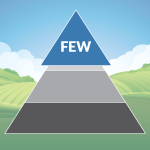
Students who have intensive needs struggle to learn without proper support in place. When prevention and early interventions do not meet students’ needs, other interventions should be used. At this level of support, schools, students, families, and community providers should be planning together.
Counseling and Support Teams
Schools includes opportunities throughout the school day to receive needed therapy and counseling services. Schools working at Tier 3 in Positive Behavior Interventions and Supports may provide in-school wraparound services.
Emotional Regulation Plans
An emotional regulation plan is family-driven and youth-guided, and is developed with the student in a calm and well-regulated state.
Re-entry Plans
Community treatment facilities communicate with the school (with parent consent) to establish a transition plan to support students returning from hospitalization or residential treatment.
Crisis- and Trauma-Response after a Critical Incident
Following a disaster or critical incident, the school activates its comprehensive safety and response management plan in order to mitigate reactions for those whose coping may be overwhelmed.
Seamless Referral and Follow-Up Processes
When a collaborative team or individual school professional makes a referral to a behavioral health provider in the community, school mental health providers refer, monitor (with consent), and teams with families and the provider until the student is demonstrating improvement.
Deepened Collaboration with Students, Families, and Community Providers
Collaboration and co-planning are standard practice at this intensive level of support.