Student Services
-
Safe Schools
- A Comprehensive Approach to Bullying Prevention
- Safe Schools for Lesbian, Gay, Bisexual, and Transgender Students
- Resources to Reduce and Respond to Sexual Violence in Schools
- Child Abuse and Neglect
- Wisconsin Youth Risk Behavior Survey
- School Attendance Improvement (Absenteeism and Truancy Prevention)
- Discipline, Suspensions, and Expulsions
- Crime Statistics Reporting
- Confidentiality, Consent, and Student Records
- Training School Staff in Ethics and Boundaries
- School Resource Officers
-
Pupil Services
- Wisconsin Pupil Services Evaluation System
- Comprehensive School Counseling Programs
- School Nursing and Health Services
- School Psychology
- School Social Work
- Medicaid Information for Pupil Services
-
School Mental Health
- Mental Health E-Learning
- Wisconsin School Mental Health Framework
- Mental Health Literacy
-
Social and Emotional Learning
- Social and Emotional Learning Contact Information
- Social and Emotional Learning Roadmap
- Wisconsin Social and Emotional Learning Competencies
- Social and Emotional Learning Theory of Action
- Social and Emotional Learning Training Opportunities
- Case Studies and Exemplars of Practice
- Introduction to Adult SEL
- Social and Emotional Learning Alignment and Connections
- Social and Emotional Learning for Students
- Social and Emotional Learning Assessment
- Build Your Social and Emotional Learning Expertise
- Mental/Behavioral Health Screening
- Youth Suicide Prevention
- Mental Health - Trauma Sensitive Schools
- Resiliency
- Get Kids Ahead Initiative
- School-Based Mental Health Services State Funding
- Federal School-Based Mental Health Professionals Grant
- Aid for School Mental Health Programs
- Project AWARE
- Alcohol and Other Drug Abuse (AODA) Program
- Coordinated School Health (CSH)
- Nita M. Lowey 21st Century Community Learning Center Grant Program
- School-Age Parents
- Student Services Resources
- State and Federal Laws Related to Student Services
- Requirements for School Staff
- Bipartisan Safer Communities Act (BSCA) Stronger Connections Grant Program
- Military Children and Families Resources
Selected Mental Health Practices for Some
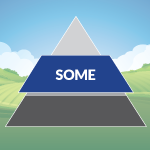
All school staff must understand how to and to whom to refer students for more specialized services. Families need to receive information about how to access services. Students must have access to effective intervention to assure challenges are address early and with successful outcomes.
Early Identification, Screening, and Progress Monitoring
Identifying students in need of support early in their mental health challenge may help them forestall more serious problems. Some schools offer selected screening strategies to identify children and youth whose challenges are isolating, turned inward, or more difficult to detect. Once a student has been identified, schools monitor their response to challenges, in order to assure they are still making progress toward wellbeing and school achievement.
Effective Individual and Group Interventions
The earlier we can work with angry and aggressive children and youth, the better we are able to support their self-regulation. Learn the underlying principles of counseling angry and aggressive youth. Access two evidence-based programs to intervene for students at all school ages.
Wellness Planning with Children and Youth
When children and youth confront stress in their lives, they may experience improved outcomes when they are able to plan in a focused way around issues of fitness and overall wellness.
Co-Planning Strategies with Students, Families, and Community Partners
Planning which is family-driven and youth-guided offers schools the opportunity to acknowledge the important role parents have in their children’s lives, while giving you an opportunity to participate actively in decision-making. Co-planning, which includes any behavioral health partners from the community, allows for more efficient and effective planning for positive outcomes.